
Region
Altai Mountains
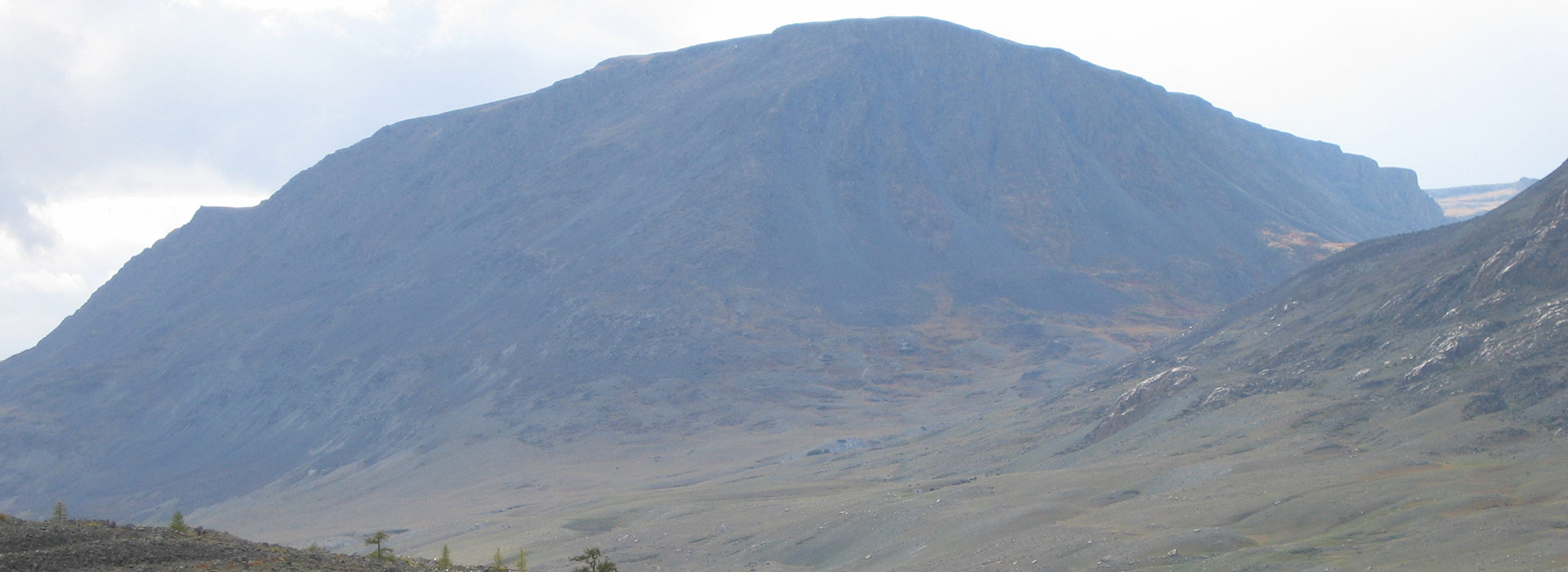
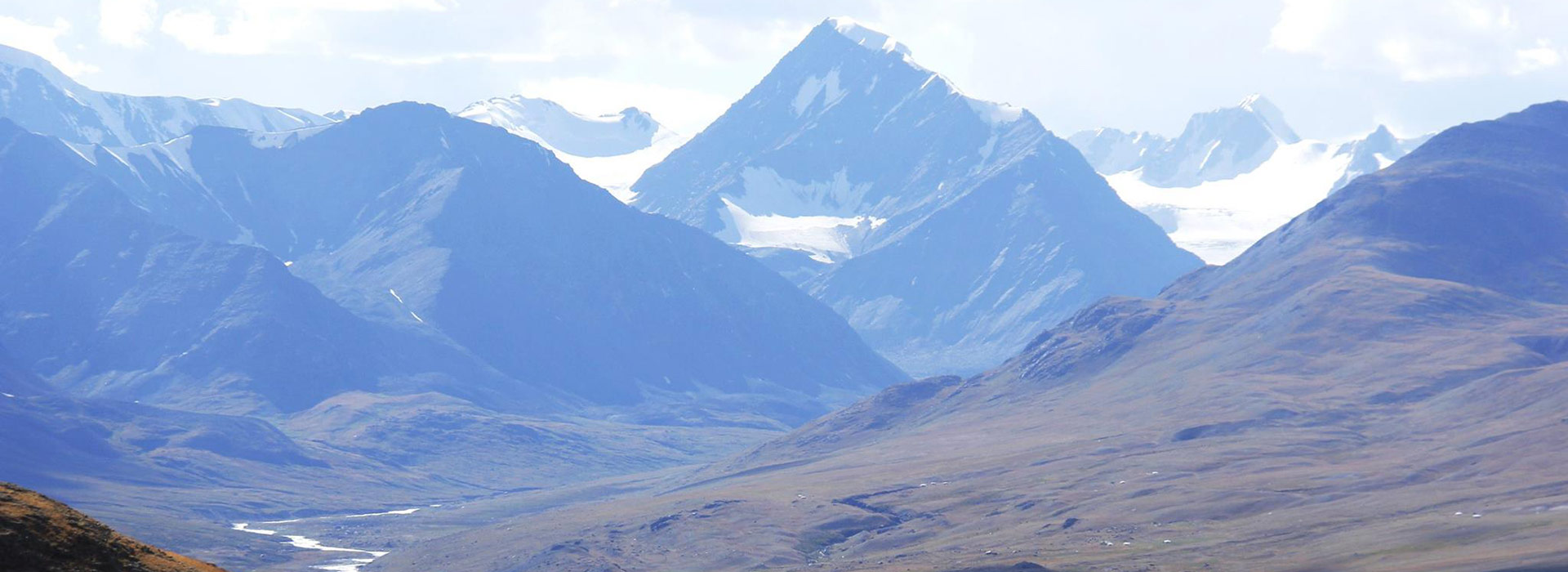
The Altai Mountains are the divide between Mongolia on the one hand, and Russia and China on the other. The highest peak is Huiten Uul (4373m), which is one of the five at Tavanbogd (literally “the five sacred”) where the three countries join. Only Mt Belukha in the Russian Altai is higher. Scattered among the Altai Mountains are some 20 glaciers, the Potanina glacier being the largest. This is the only region in Mongolia which offers enough variety to trek for a week or more in any single place.
The people of the Altai are diverse. On the Mongolian side, the Kazakhs are in the majority. They started to graze their sheep and goats as late as in the 1840s in the summer time. They started to remain year around as late as in the early 1900s. The Kazakhs are a Turkic speaking Muslim people. The mosque in Ölgii has been refurbished and the Hajj pilgrimage to Mecca has been resumed. However they are also quite secular as a result of religious controls in the communist times. The major language in Bayan-Ölgii province is Kazakh, although most people are bilingual in Mongolian. Due to long isolation Kazakh traditions and practices are more intact here than anywhere in Kazakhstan. Many Mongolian Kazakhs have been allowed to migrate to Kazakhstan and Turkey, and there have been talks between Kazakhstan and Mongolia to allow all Mongolian Kazakhs dual citizenship. This part of Mongolia has more contact across international borders than elsewhere in the country.
Altai Tavanbogd National Park divides Mongolia and China and Silkhemiin Nuruu Nature reserve divides it with Russia. These are part of the main Altai Mountain ranges. Altai Tavanbogd National Park also boasts a lake area, with several lakes such as Hoton and Dayan Nuur.
Separate to the main ridge are the Altai Mountains in Uvs province, and the glacier-embraced twin peaks of Turgen and Harhiraa Mountains. A standalone large mountain is Tsambagarav Uul National Park, located on the border between Hovd and Bayan-Ölgii provinces, conveniently located between Hovd and Ölgii. Further south is also Hökh Serkhiin Nuruu Nature Reserve, another ridge of the Altais.
The local people are hardy pastoralists of diverse cultures. Most Kazakhs live in adobe houses in villages in the valleys in the winter. and migrate to mountain pastures in the summer. They have larger yurts than the Mongols. The Kazakhs have also revived the tradition of hunting small mammals, especially foxes, with Golden Eagles. The BBC Human Planet series aired kazakhs hunting a fox in 2011. The Eagle Festival is at the end of September each year, marking the start of the hunting season (which is a winter time activity).
HOW TO TRAVEL THERE:
There are flights from Ulaanbaatar to Hovd, during summer, most days of the week. Nomadic Journeys has partnered with WWF Mongolia to work with community enterprise Altain Nuudelchin for Khar Us Nuur National Park and Altan Hökhii Mountain, which is included on Altai Mountains, Great Lakes and Sands itinerary. It is designed for indivduals no more than six people travelling together, where we offer private ger camp accommodation in a 360 degree landscape.
What our guests say
Please check all reviews. Click on the button below. Thank you
-
Great place to stay and experience mongolian way of living, no tv, wifi, phone. Just nature and great company of the staff and livestocks of mongolia. The toilet is a hole in the ground covered by a shed. It is clean, but can be smelly to those used to city life. Not hot water supply, inform the staff that you like to hot water half an hour earlier so that they can boil it over camel dung 🙂

-
Great place to stay and experience mongolian way of living, no tv, wifi, phone. Just nature and great company of the staff and livestocks of mongolia. The toilet is a hole in the ground covered by a shed. It is clean, but can be smelly to those used to city life. Not hot water supply, inform the staff that you like to hot water half an hour earlier so that they can boil it over camel dung 🙂